How long should a commercial flat roof last before refurbishment becomes necessary? The answer depends on system type, installation quality, maintenance history and exposure, but there are predictable lifespan ranges that commercial building managers can use to guide planning. Knowing when a roof is reaching the end of its effective life helps prevent reactive spending and supports structured asset management.
For facilities managers and procurement teams, the question is rarely academic.
“How long should a commercial flat roof last?” usually means:
Are we heading for failure?
Should we still be repairing this roof?
Is refurbishment now more cost-effective than patching?
Can we justify capital expenditure this year?
The realistic answer depends on system type, installation quality, maintenance history and how the roof has been managed over time. But there are predictable lifespan ranges — and warning signs that matter more than the calendar.
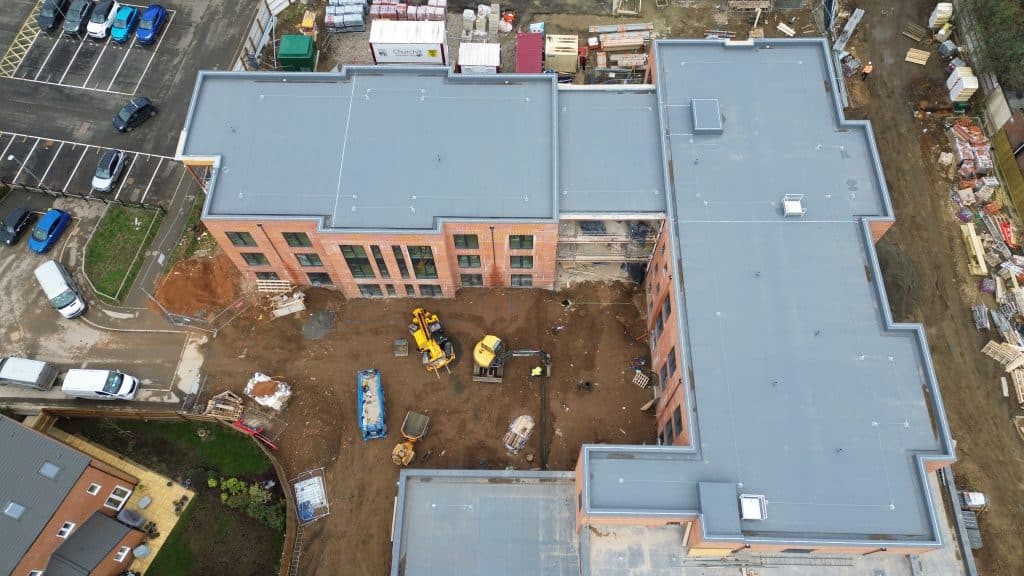
The lifespan of a commercial flat roof varies by system:
Expected lifespan: 20–30+ years
Modern single-ply systems, when correctly specified and installed, can deliver 25 years or more of performance. Lifespan depends on:
Installation quality
Insulation build-up
Drainage design
Maintenance regime
Exposure and foot traffic
Manufacturer warranties often sit within this range, but real-world performance depends heavily on ongoing inspection.
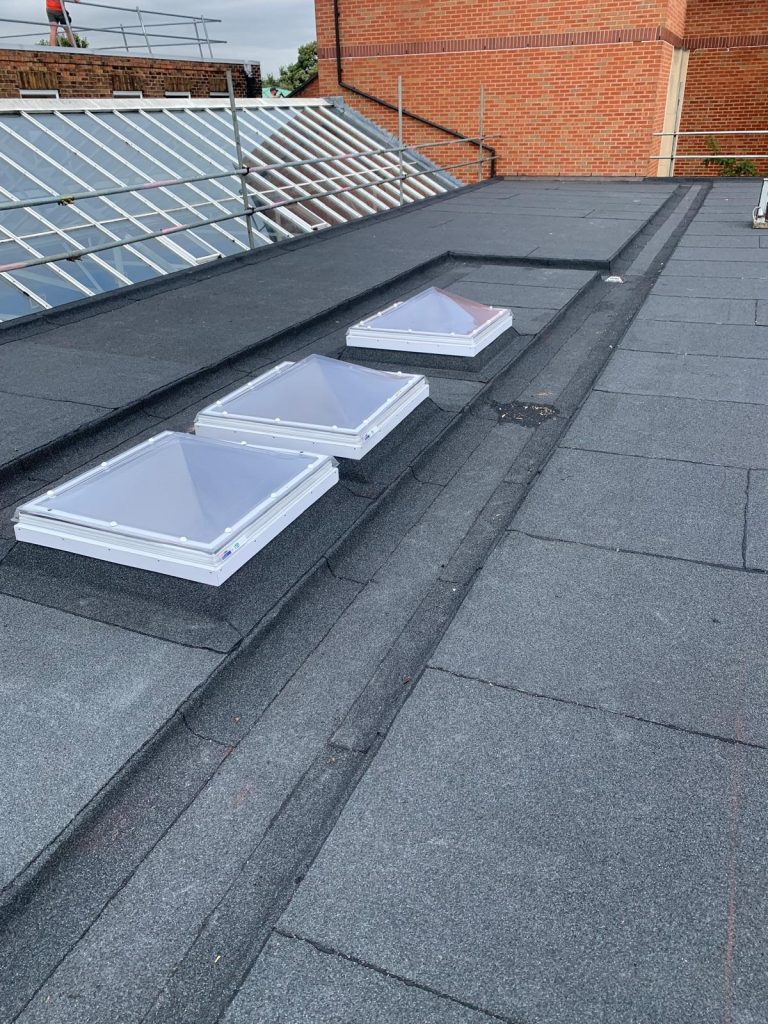
Expected lifespan: 20–25 years
High-quality reinforced bitumen systems remain robust options for many commercial roofs. However, repeated reactive repairs, poor detailing or ponding water can reduce this significantly.
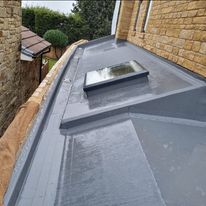
Expected lifespan: 15–25 years (system dependent)
Liquid systems are often used for refurbishment and detailing. When applied to a suitable substrate and protected from standing water, they can provide durable waterproofing — particularly on complex roof areas.
A commercial flat roof rarely fails suddenly. It deteriorates gradually — often masked by small repairs.
Common causes of reduced lifespan include:
Chronic ponding water
Inadequate drainage design
Deteriorating upstands and edge details
Poor previous repairs
Trapped moisture in insulation
Increased plant and rooftop traffic
Where roofs have been repeatedly patched without a strategic plan, lifespan reduces dramatically.
This is why a roof condition survey is more valuable than guesswork.

A roof may technically still be waterproof after 20 years — but that doesn’t mean it is performing well.
Facilities teams should assess:
Is thermal performance still compliant?
Are emergency call-outs increasing?
Are internal maintenance teams losing time to reactive issues?
Is water ingress affecting tenants or operations?
A commercial flat roof approaching the end of its designed life does not always require full replacement. Often, a structured refurbishment or overlay can extend life significantly at lower cost and lower disruption.
Many Leeds and West Yorkshire buildings continue repairing ageing roofs long after refurbishment would have been more cost-effective.
Indicators that refurbishment may now be the better option:
Recurring leaks in different areas
Increasing patch size and frequency
Edge details failing
Insulation compromised
Budget unpredictability
In these cases, a planned refurbishment can:
Restore waterproof integrity
Improve thermal efficiency
Extend roof lifespan by 15–25 years
Reduce emergency call-outs
Provide manufacturer-backed warranties
Refurbishment is often more viable than full strip and replacement, especially on live commercial sites.
Overlay systems are increasingly popular in commercial roofing where:
The existing deck remains structurally sound
Moisture risk is assessed and managed
Pull-out or adhesion testing confirms suitability
An overlay can significantly extend the lifespan of a commercial flat roof without the cost and disruption of a full strip.
However, overlay is only appropriate following a structured inspection.
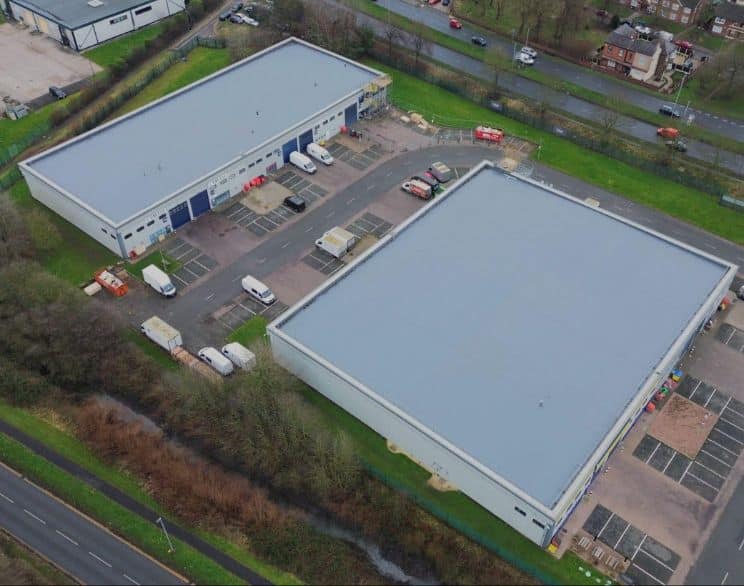
The difference between a 20-year roof and a 30-year roof is often maintenance.
Planned inspections allow early detection of:
Drainage blockages
Membrane splits
Detail movement
Sealant deterioration
Preventative intervention is always cheaper than reactive emergency repair.
Facilities managers who adopt structured inspection programmes typically experience:
Fewer emergency call-outs
More predictable budgets
Reduced internal disruption
Longer roof lifecycle
In realistic commercial conditions:
A well-installed single-ply roof should perform for 25+ years
A reinforced bitumen system should deliver around 20–25 years
A properly maintained refurbished roof can extend life significantly
But the real answer depends on inspection, not age alone.
If your commercial flat roof is over 15–20 years old and recurring issues are increasing, a documented condition survey will provide clarity on whether continued repair remains viable — or whether refurbishment now offers better long-term value.
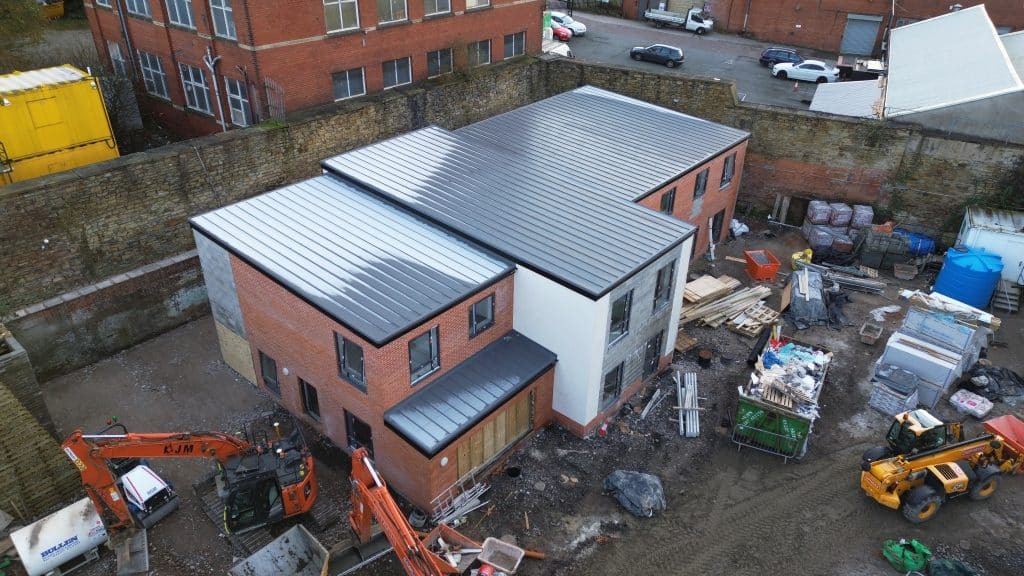
At D&D Roofing Ltd, we work with facilities managers, property managers and procurement teams to provide:
Structured roof condition surveys
Clear repair vs refurbishment guidance
Overlay feasibility assessments
Long-term maintenance planning
If you’re assessing how long your commercial flat roof should last — and what to do next — we’re happy to provide practical, inspection-led advice.
Please send CV and supporting documents to info@ddroofingltd.co.uk and we will contact you when we have demand for your specific skills