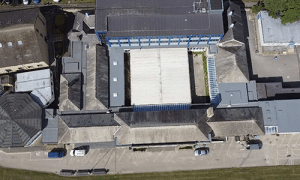
When the temperature drops, preparing flat roofs for winter becomes essential for any business that wants to avoid leaks, heat loss, and costly downtime. Flat roofs face unique challenges in cold weather — from pooling water and ice build-up to heat escaping through poorly insulated areas.
At D&D Roofing Ltd, we’ve seen first-hand how a bit of proactive maintenance before the frost sets in can save thousands in emergency repairs later. Here’s how to protect your flat roof and keep your building safe, warm, and watertight all winter long.
Flat roofs are more vulnerable to winter damage than pitched roofs. They don’t naturally shed water, so any blockage or small defect can quickly turn into a leak once ice and snow arrive.
A few hours spent preparing flat roofs for winter in late autumn can:
Prevent standing water from freezing and splitting the roof membrane.
Keep drainage systems clear and flowing.
Reduce energy loss from poor insulation.
Avoid disruptive leaks and expensive call-outs during bad weather.
It’s all about prevention — and timing is key. Carry out checks before temperatures drop and rain turns to ice.
Start with a full visual inspection. Look for cracks, blisters, lifted seams, loose trims, or any staining that could signal leaks. Check from inside, too — ceiling marks or damp patches often reveal problems early.
Ideally, schedule a professional roof survey in autumn. Certified contractors like D&D Roofing use specialist tools such as moisture meters and thermal imaging to spot hidden weaknesses. Fixing small issues now prevents them from becoming major winter failures.
Leaves, moss, and debris trap moisture against the roof and clog outlets. When that water freezes, it expands — damaging membranes and blocking drainage.
Make sure all:
Gutters and downpipes are unblocked.
Roof outlets and scuppers are clean.
Leaf guards or overflow routes are in good condition.
Keeping water moving is the single most effective step in preparing flat roofs for winter. Standing water that freezes is the leading cause of cracks and leaks during cold spells.
Don’t wait until spring to deal with small cracks or blisters. Frozen water will make them worse, and leaks will appear once temperatures rise again.
Seal joints and flashings, patch tears, and re-secure any loose edges. For larger defects, contact a qualified flat-roof specialist like D&D Roofing Ltd. We can apply durable repair compounds or recommend long-term refurbishment options such as a liquid roofing overlay, which provides a seamless waterproof seal without disrupting daily operations.
A well-insulated flat roof keeps heat in and condensation out. Poor insulation leads to higher energy bills — and warm air escaping through the roof can cause snow melt, refreezing, and ice dams.
Make sure:
Insulation is continuous and dry (wet insulation must be replaced).
Vapour barriers are intact.
Ventilation points are unobstructed.
When preparing flat roofs for winter, this step improves both comfort and compliance with UK Building Regulations (Part L).
Branches dropping leaves or scraping the membrane can cause costly damage. Trim trees back several metres from the roof edge and check parapets, trims, and flashings for movement. Secure or replace any that look loose before high winds arrive.
In-house teams can handle basic cleaning and visual checks, but any structural repair or waterproofing should be done by a specialist.
Professional contractors like D&D Roofing Ltd provide:
Detailed roof inspections and condition reports.
Safe access equipment and trained personnel.
Expert repair of membranes, flashings, and roof lights.
Options such as Sika or Protan systems for long-term waterproofing.
Scheduling a maintenance visit in October or early November ensures everything is watertight before the worst of the weather hits.
Neglecting routine preparation can quickly lead to:
Leaks and water damage – Blocked drains and cracked membranes allow water in, damaging interiors and electrics.
Heat loss and higher energy bills – Poor insulation and damp materials waste energy.
Freeze-thaw damage – Ice expands in small gaps, causing the membrane to split.
Unexpected downtime – Emergency roof repairs can disrupt business operations and cause closures.
As roofing specialists, we often see winter call-outs that could have been avoided with simple pre-season checks.
Completing this checklist now will ensure your roof stays strong and watertight until spring.

Preparing flat roofs for winter can seem straightforward, but there’s a lot that property owners and facilities teams need to consider — from timing and safety to the difference between quick fixes and professional maintenance. Below, we’ve answered some of the most common questions we get from commercial clients looking to keep their buildings warm, dry, and protected through the colder months.
The best time to start preparing flat roofs for winter is early autumn, ideally September or October. This gives you enough time to carry out inspections, clear drains, and complete any repairs before the first frost. Once temperatures drop, certain sealants and coatings may not cure properly, so early action is key.
Blocked drains and gutters are the most common culprit. When debris prevents proper drainage, standing water freezes and expands, cracking the membrane or forcing water through seams. Regular cleaning and drainage checks are the most effective way to prevent leaks during winter.
Yes — basic checks can be done in-house if safe access is available. Look for debris, standing water, cracks, or lifted edges. However, we always recommend scheduling a professional roof inspection at least once a year. Contractors like D&D Roofing Ltd use moisture detection tools and thermal imaging to find hidden weaknesses that are easy to miss.
Ignoring winter prep can lead to leaks, damaged insulation, and even structural issues. Water ingress during freezing weather can saturate insulation and increase heating costs. Emergency repairs are also far more expensive than preventative maintenance.
Signs include cold spots indoors, condensation, or unusually high heating bills. If you notice these, have your insulation checked. Wet or damaged insulation should always be replaced, as it loses thermal efficiency and can accelerate roof deterioration.
Generally, no. Salt can damage membranes, and heat cables aren’t necessary for most commercial flat roofs if drainage is working properly. Instead, focus on preventative maintenance — keeping outlets clear, repairing damage, and ensuring insulation and ventilation are up to standard.
We offer commercial roof inspections, maintenance, and refurbishment across the North of England. Whether it’s cleaning, sealing, or installing a new waterproof system from Sika or Protan, our team can ensure your roof is fully prepared for winter and backed by a long-term warranty.
Preparing flat roofs for winter isn’t just about preventing leaks — it’s about protecting your property investment and avoiding unnecessary costs.
With the right maintenance plan, you can extend your roof’s lifespan, maintain energy efficiency, and keep your business running smoothly whatever the weather brings.
At D&D Roofing Ltd, we offer professional flat-roof inspections, maintenance, and refurbishment services across the North of England. Whether it’s cleaning, sealing, or a full waterproofing upgrade, we’ll help you stay protected through every season.
Please send CV and supporting documents to info@ddroofingltd.co.uk and we will contact you when we have demand for your specific skills